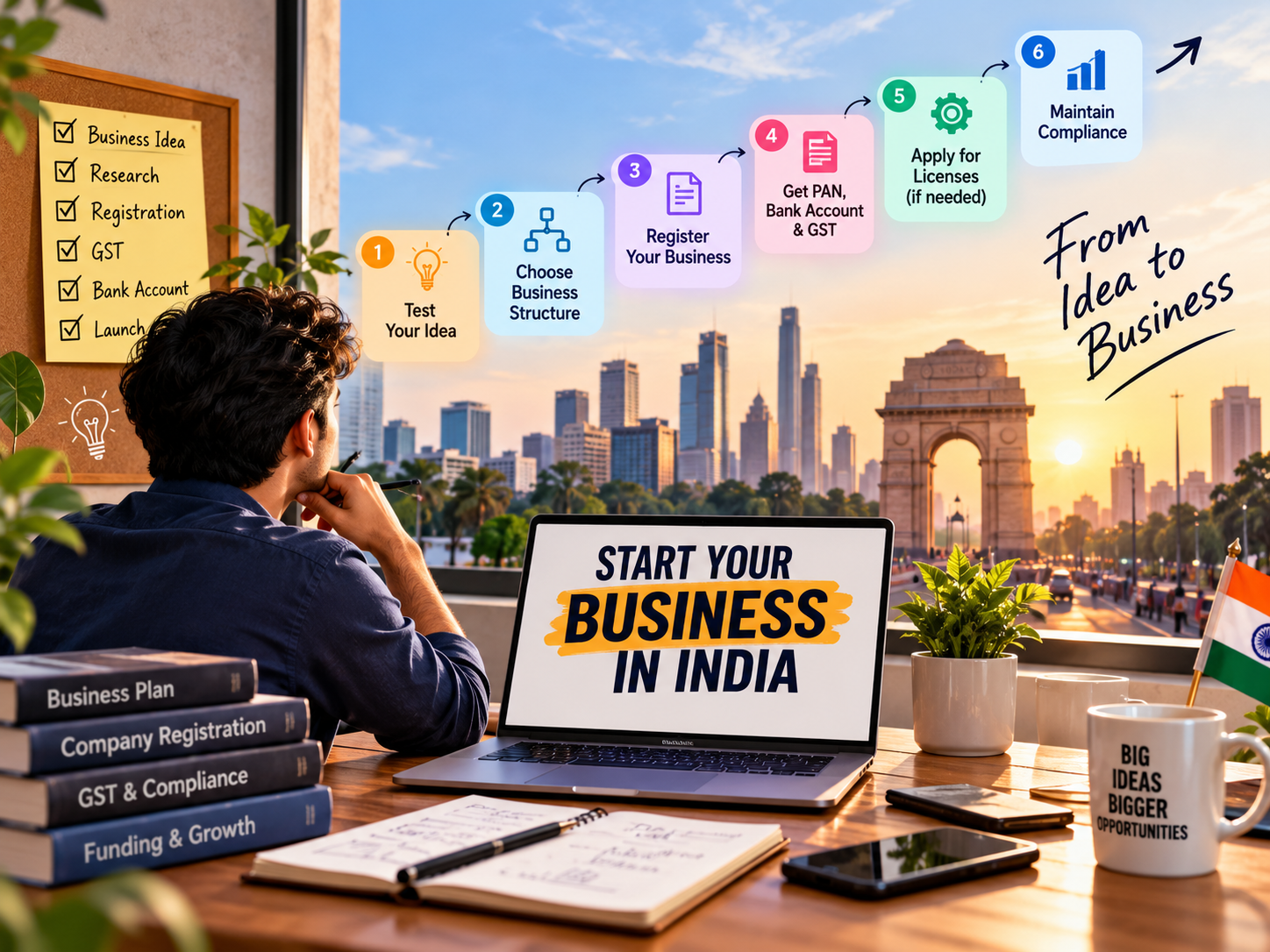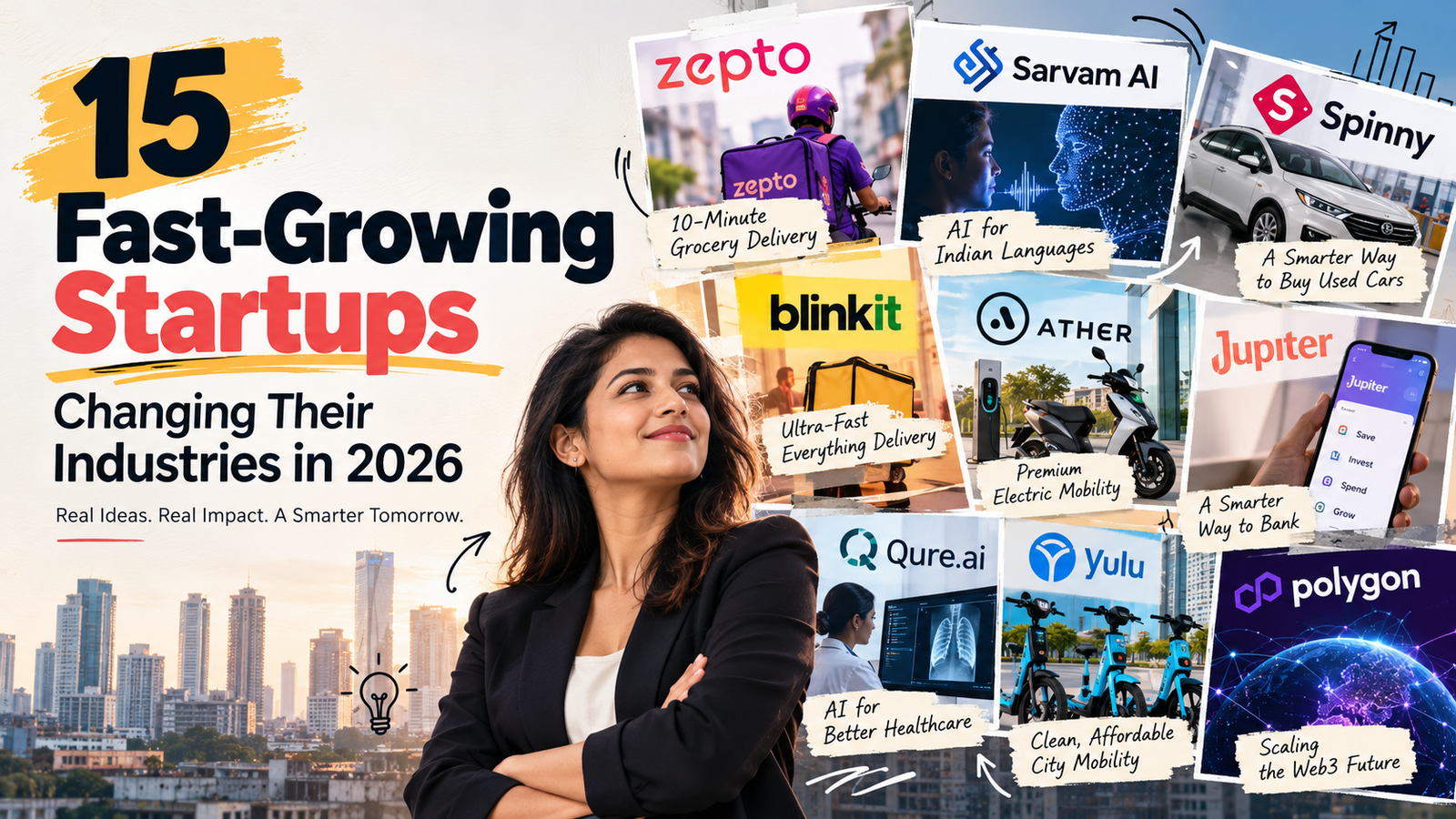


The best business ideas for young entrepreneurs are those that allow them to experiment, grow and iterate on a small scale with the skills they already have.
Today, a laptop, a phone and an internet connection can enable many of these startup ideas for young people. Many young founders have begun their journey in the same way, and some have had great success in doing so.
This guide includes 15 startup ideas for first-time founders, along with a brief description, estimated startup costs, skill sets required and a first step. It is also important to pick the startup idea for young entrepreneurs that suits you, and to start small.
Young Founders Are Well Positioned to Start a Business
Entrepreneurship rewards speed and fresh thinking, and young people have both. Some advantages of starting a business young include:
Your existing digital skills
The reduced need for funds
Less fear of failure and a faster learning curve
A fresh understanding of customers
15 Business Ideas for Young Entrepreneurs
1. Freelance Writing, Design or Video Editing
Every business needs content and most small teams are unable to hire people full-time. Offer writing, graphic design or video editing as a service and build a small portfolio before finding clients through Upwork, Fiverr or similar platforms.
Startup cost: Nil to low
Skills needed: One creative skill, plus communication
First step: Create three sample pieces and put them up in a simple portfolio
2. Social Media Management
Small shops, cafes and even life coaches know they must be active online but often don’t have the time. You can offer them a monthly social media management package for creating posts and responding to comments. It is a good idea to begin with local businesses you already know.
Startup cost: Low
Skills needed: Content curation, design, patience with clients
First step: Pick one local business to work with and offer a one-week trial
3. Niche Online Store
Rather than selling everything to everyone, try focusing on one category of products and one category of buyers, such as eco-friendly stationery. A focused product makes marketing easier, but always check shipping policies, returns and quality control before listing on sites such as Amazon and Shopify.
Startup cost: Moderate
Skills needed: Product sourcing, marketing, customer service
First step: List five items and gauge demand on Instagram before investing in stock
4. Content Creation
YouTube channels, Instagram accounts, blogs and other forms of content creation can make money from ads, sponsorships and affiliate marketing. It is important to build a loyal audience before monetising, and to pick a topic you are passionate about discussing for long stretches of time. Post consistently and keep track of metrics.
Startup cost: Low
Skills needed: Consistency, creativity, basic editing
First step: Post ten pieces on one topic before judging the results
5. Online Tutoring and Courses
If you are good at one thing, someone is likely to pay you to learn it. Offer tutoring and recorded online courses on a specific topic, such as coding basics. Some subjects to consider include advanced exams, spoken English and coding for kids.
Startup cost: Nil to low
Skills needed: Subject knowledge, teaching skills
First step: Teach two or three free classes and ask for reviews
6. Web and App Development
Most local businesses still need websites and some need apps and booking systems. Learn one stack (such as web development) and specialise, picking a price for smaller projects. You could also offer maintenance on a yearly basis for larger websites or bookings systems.
Startup cost: Low
Skills needed: Coding, problem solving, project management
First step: Create a website for a friend or relative and use it as your first case study
7. Print On Demand
Design t-shirts, mugs, posters, phone cases and other items to sell through a print on demand platform, which means you don’t need to hold stock. Your role is designing and marketing – the printing and shipping will be done by the platform.
Startup cost: Very low
Skills needed: Design, social media
First step: Create five designs for a niche audience, such as gamers
8. Home Food Business
Bakers and snack makers who make small batches of food can build a loyal customer base during festivals. Be sure to register your home food business with the FSSAI in India (or a similar organisation in your country). Keep the menu small and the quality high.
Startup cost: Moderate
Skills needed: Cooking, hygiene, order management
First step: Take 10 orders from friends and neighbours and ask for honest feedback
9. Digital Products and Templates
Planning templates, resume building guides, study planners, spreadsheet organisation and Notion templates can all be purchased online. Create a product that solves one specific problem and offer it on Gumroad, Etsy or other similar sites. Offer previews for buyers to see what they are purchasing. It’s important to know what problems you face and solve those.
Startup cost: Nil to very low
Skills needed: Organisation, design
First step: Design one template for a problem you or your friends face and price it low
10. AI Tools and Automation Services
Many small businesses want to use AI tools to save time but don’t know which to choose or how to use them efficiently. You can offer to set up chatbots, emails and reports, or to train an entire team to do these tasks themselves. It is important to show clients a clear difference before and after using an AI tool.
Startup cost: Low
Skills needed: Curiosity and knowledge of tools, communication
First step: Automate one task you do for a local business for free and calculate how much time you saved
11. Virtual Assistant Services
Many busy founders and professionals are willing to pay someone to help them with emails, scheduling meetings, research and data entry. You can work remotely with clients and pick the tasks you enjoy most. It is important to build a reputation for being reliable.
Startup cost: Nil
Skills needed: Organisation, honesty, attention to detail
First step: List the five tasks you can do best and share them with your network
12. Photography and Videography
Events, weddings, product photography and short reels all need a good photographer or videographer. Begin with friends and family, then move on to college events and brands. Good equipment helps, but you can begin with a good smartphone and learn how to edit.
Startup cost: Low to moderate
Skills needed: Visual appeal, editing, client handling
First step: Shoot a mini product photo session for a local seller and use it in your portfolio
13. Event Planning
Birthdays, college festivals, small weddings and corporate meetups are all opportunities to begin as an event planner. Specialise in one type of event you already have experience in and always ask for feedback after an event to improve the next one.
Startup cost: Low
Skills needed: Planning, negotiation, composure
First step: Plan one event and collect photos and reviews
14. Eco-Friendly Products and Services
More buyers are looking for eco-friendly products and services that reduce waste, such as reusable bags, refills and upcycled items. You can sell products, find local suppliers or begin with a service, such as a secondhand clothing exchange. It is important to have a story behind why you sell that product and how it reduces waste.
Startup cost: Low to moderate
Skills needed: Sourcing, storytelling, marketing
First step: Pick one product and test it with 20 buyers, taking note of why they buy it
15. Local Errand and Delivery Services
Busy families, hostel students and elders often need help with errands and shopping. You can begin by helping them with a local radius and building a reputation as a reliable service. Ensure you maintain trust and a good work ethic.
Startup cost: Very low
Skills needed: Organisation, trust, local awareness
First step: Offer services to people in your building or street and ask for referrals
How to Choose the Right Business Idea
Fifteen options may seem overwhelming, but these are the best business ideas for young entrepreneurs looking to begin with minimal investment and risk. Ask yourself these questions before finalising a business idea:
Skill: Can I already do it or learn it in a month?
Interest: Will I enjoy it after six months?
Money: Can I begin with money I already have?
Demand: Do I know three people who would pay today?
Time: Can I give it a few hours a week?
If most of these are yes, you have a solid business idea for young entrepreneurs to begin with.
Common Mistakes Young Entrepreneurs Make
Big ideas before small experiments. Always begin with a niche audience, a small budget and inexpensive stock.
Ignoring customer feedback. Ask what customers liked and disliked about your product or service.
Keeping track of books incorrectly. Write down all expenses and all sales (even small ones).
Jumping over legal formalities. Register your business if it is necessary in your city or country (it is usually compulsory for food businesses, online stores, hiring employees and more).
Giving up too soon. Many businesses fail before finding the right customer base, but most require months (not weeks) to do so.
Your First 90 Days: A Simple Plan
Days 1 to 15: Pick one idea and speak to at least five prospective customers
Days 16 to 45: Build a prototype or draft version of your product/service and sell it to your first three customers
Days 46 to 75: Collect feedback, fix problems and ask for reviews from happy customers
Days 76 to 90: Fix the pricing, begin building your online presence and reach out to your next ten customers
Frequently Asked Questions
What are the best business ideas for young entrepreneurs with low investment?
Service-based ideas have the lowest investment. Freelancing on skills requires only your time and skills to begin, while social media management, tutoring and virtual assistant services cost little to begin with.
What business can a young person start with no money?
You can begin offering a skill, such as writing, designing, teaching or editing. You only need a phone or laptop and a few examples of your work.
How do young founders find their first customers?
You can begin with friends, family and local businesses. Offer a free trial, ask for reviews and begin asking people online or in real life. Always request a review if a customer is happy with your work.
Do I need to register my business?
It depends on your business and your country. Businesses that hire employees, sell food or run an online store may need to register. Always follow the legal guidelines in your city or country.
Can I run a business while studying or working?
Yes, as long as you pick a business idea that gives you flexibility and only takes up a few hours a week.
How much can a young entrepreneur earn?
It is difficult to say – everyone’s situation is different. Always be wary of those who promise instant money. Begin small and grow.
Should I start more than one business at a time?
No. Always focus on one business until it takes up steady time and income before beginning another.
Final Thoughts
Starting a business as a young person is less about the money and more about taking your first steps wisely. Pick one of these business ideas for young entrepreneurs and experiment with a few real customers to build skills and knowledge. Entrepreneurship is a skill, and every small step builds it.